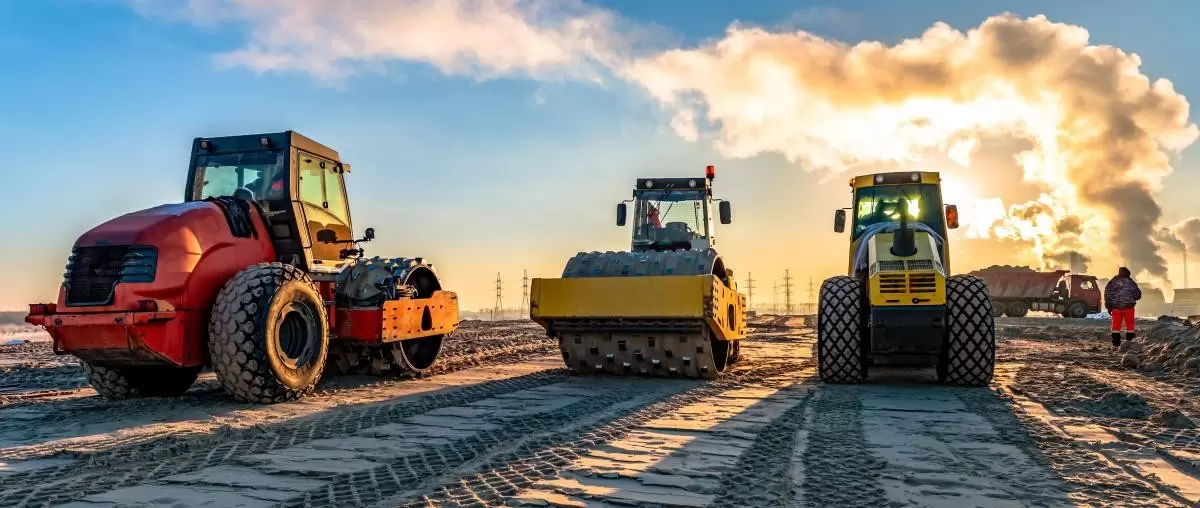

Plant and equipment finance lets you get a machine working in your business now and pay for it over time. If you run a business in Bungendore, that can mean the difference between turning down a job and taking it on.
This guide walks through how the finance works, which structure to pick, and what to think about before you sign anything. We have kept it in plain language, because finance should feel like a conversation and not a test.
What Is Plant and Equipment Finance?
Plant and equipment finance is a loan or lease used to buy machinery for your business, with the machine itself usually acting as security for the loan. That often means you do not need to put up your home or other property, though lenders assess each case on its own merits.
The term covers a wide range of machines. Think excavators, cranes, tractors, graders and forklifts, as well as kitchen gear for a cafe or manufacturing machinery for a workshop. Our equipment finance page gives a broader overview, and our plant and machinery finance page covers heavier items in more detail.
The main trade-off is that the lender holds an interest in the asset until the loan is paid out. You will also pay interest and fees on top of the purchase price, so the total cost is higher than paying cash.
Which Machines Can You Finance?
Most income-producing machines can be financed, whether new or used, though lenders look more closely at older equipment and some specialised items. Age, condition and resale value all affect the terms on offer.
In a rural area like Bungendore and the surrounding district, the most common requests tend to be for farm machinery and earthmoving gear. If you are weighing up a purchase for the paddock, our tractor finance and farm equipment finance pages explain how those loans are set up. If you are in earthmoving or landscaping, our excavator loans page is a good place to start.
A lender will usually want to know what the machine will earn for you. A clear picture of how it pays its way helps your application.
Loan or Lease: How Do You Choose?
A loan generally leads to you owning the machine, while a lease generally means you pay to use it and may have a choice at the end of the term. Which one suits you depends on whether you want to keep the machine for years or upgrade regularly.
With a loan, you carry the cost of depreciation and any repairs. With a lease, repayments can be lower because you are not always paying off the full value, but you may have a final payment to make if you want to keep the machine. Our lease vs buy comparison page sets the two side by side.
If you plan to run a machine until it wears out, a loan often makes more sense. If the machine will be outdated in a few years, leasing may fit better.
Ready to get started?
Book a chat with a Finance Broker at Red Fox Asset Finance today.
How Do Repayments Work on a Machinery Loan?
Repayments on a machinery loan are set by the amount borrowed, the interest rate, the term and whether you pay off a final lump sum at the end. A longer term lowers each repayment but increases the total interest you pay.
As an illustration only, using a rate of 6.75% p.a., consider a Bungendore landscaper who borrows $80,000 for a skid steer and attachments over five years with no final lump sum. The repayment works out to about $1,574 a month. Over the five years that is around $94,400 in total, so roughly $14,400 goes to interest.
The landscaper then stretches the loan to seven years to ease the monthly load. At the same illustrative rate, the repayment falls to about $1,198 a month. The total paid rises to around $100,600, so the lower monthly figure costs about $6,100 more in interest overall. In the end the landscaper chooses the five-year term because the new machine is expected to bring in steady work, and the higher repayment is manageable.
Your actual rate will depend on your lender, your business history and the asset. Our asset repayment options page shows how repayments can be shaped around your income.
Can Machinery Finance Help With Tax?
Some costs linked to business equipment may be deductible, but the outcome depends on your circumstances, so speak to your accountant before you decide. Do not buy a machine only for a tax benefit, because you still have to pay for it.
The interest and fees on a business loan can often be claimed, but the full loan repayment is not a deduction. The treatment of the machine itself, including depreciation and any instant write-off rules, depends on your business structure and the rules at the time. Our tax savings calculator can give you a rough idea to take to your accountant.
What Should You Have Ready Before You Apply?
The most useful thing to bring is a clear story: what you want to buy, what it will earn, and how your business is travelling. Lenders want to see that the repayments fit comfortably within your cashflow.
A quote or invoice for the machine helps, along with your recent business financials. If your paperwork is a bit messy, that is fine. We can help you pull it together before it goes to a lender, which often saves time later on. A broker can compare several lenders in one conversation, rather than you visiting each one.
Why Use a Broker for Plant and Equipment Loans?
A broker compares lenders for you and matches your situation to a loan that suits, rather than you approaching one bank at a time. We also stay in touch after settlement, so you have someone to call when plans change.
Our broker, Joanne Washbrook, is happy to talk through your options in plain English. There is no pressure and no silly questions. A broker may be paid by the lender, and we will explain how that works at the start.
Call one of our team or book an appointment at a time that works for you, and we will help you work out the right way to get your next machine on site.
Frequently Asked Questions
What is plant and equipment finance?
It is a loan or lease used to buy machinery for your business, with the machine usually acting as security. This often means your home is not needed as security, though each lender assesses applications differently.
Should I choose a loan or a lease for machinery?
A loan usually leads to ownership, while a lease usually means paying to use the machine with options at the end. A loan often suits machines you will run for years, and a lease may suit equipment that dates quickly.
Does a longer loan term cost more?
A longer term lowers each repayment but usually means more interest overall. In an illustrative example at 6.75% p.a., stretching $80,000 from five to seven years cut the monthly repayment but added about $6,100 in interest.
Can I claim machinery finance on tax?
Some costs, such as interest and fees, may be deductible, but the full loan repayment is not. Your outcome depends on your situation, so speak to your accountant.